
Cultivating Future Harvests
About Us
Kit To Haas LLC is a Maryland-based agricultural solutions provider specializing in the meat rabbit industry. We bridge the gap between land ownership and sustainable farming by providing turnkey hutch/cage kits and professional husbandry services. By simplifying the infrastructure and maintenance requirements of raising rabbits, we empower our clients to establish high-yield, low-footprint, and heart healthy protein sources.
We provide commercial farmers, homesteaders, peppers and alternative farms with high-quality, locally grown rabbit meat through sustainable agriculture . We are committed to promoting healthy living by offering a nutritious, environmentally friendly protein source that can be raised efficiently on small acreage, supporting both community well-being and ecological stewardship.


Custom Hutch Kits And Flexible Ways To Grow
We offer turnkey hutch/cage kits designed to remove the guesswork from your rabbit farm setup. Whether you are a commercial farmer, organic gardener or an experienced homesteader, our all-in-one solutions provide a professional-grade environment from day one.

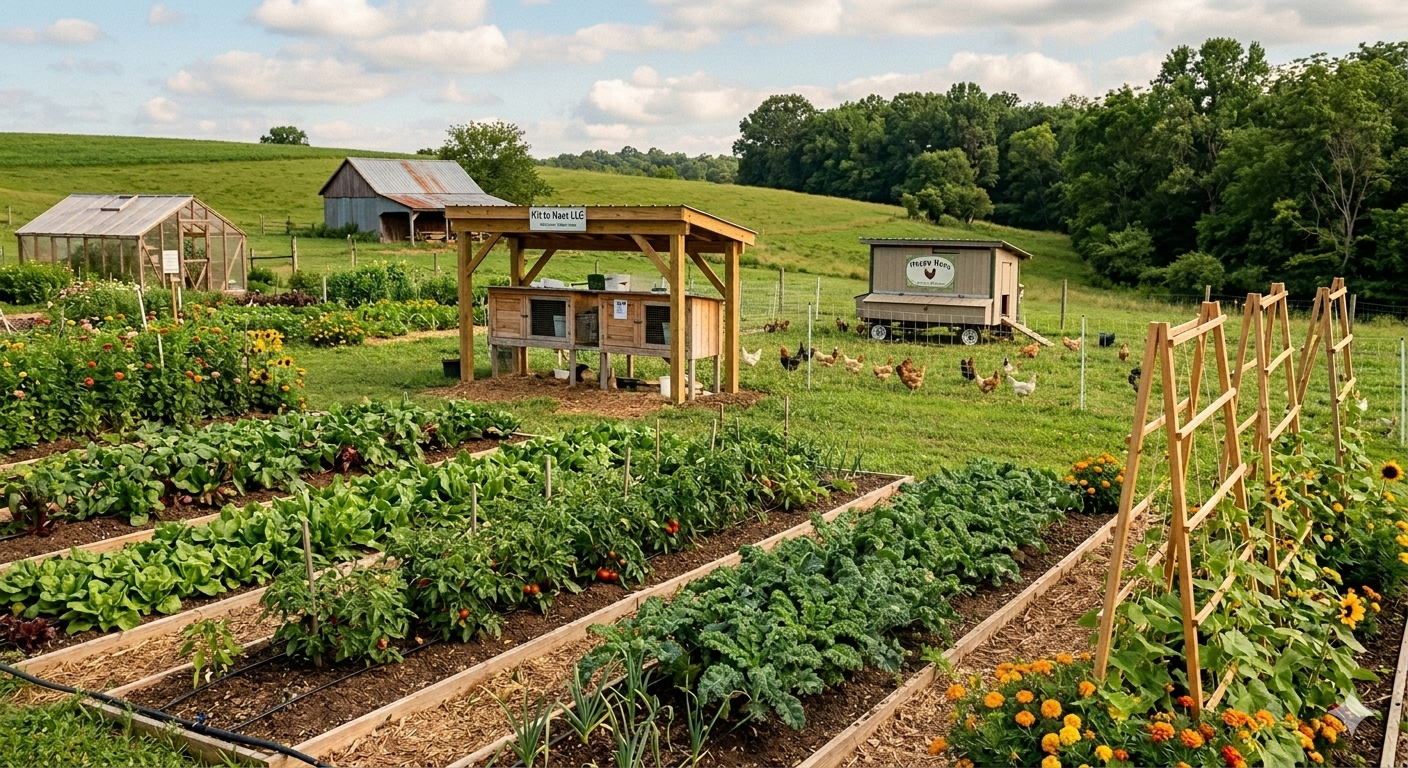
A Good Standard for Your Rabbitry
Our kits go beyond basic housing to offer a complete, high-performance ecosystem for your rabbits. By choosing a turnkey solution, you ensure.
Efficient Deployment: Skip the days of planning and hardware store runs.
Disease Prevention: Integrated sliding waste trays and elevated wire flooring keep your rabbits clean and dry.
Standardized/Automated Equipment: Using uniform and automated equipment across your rabbitry simplifies daily chores and allows for easier workflow.
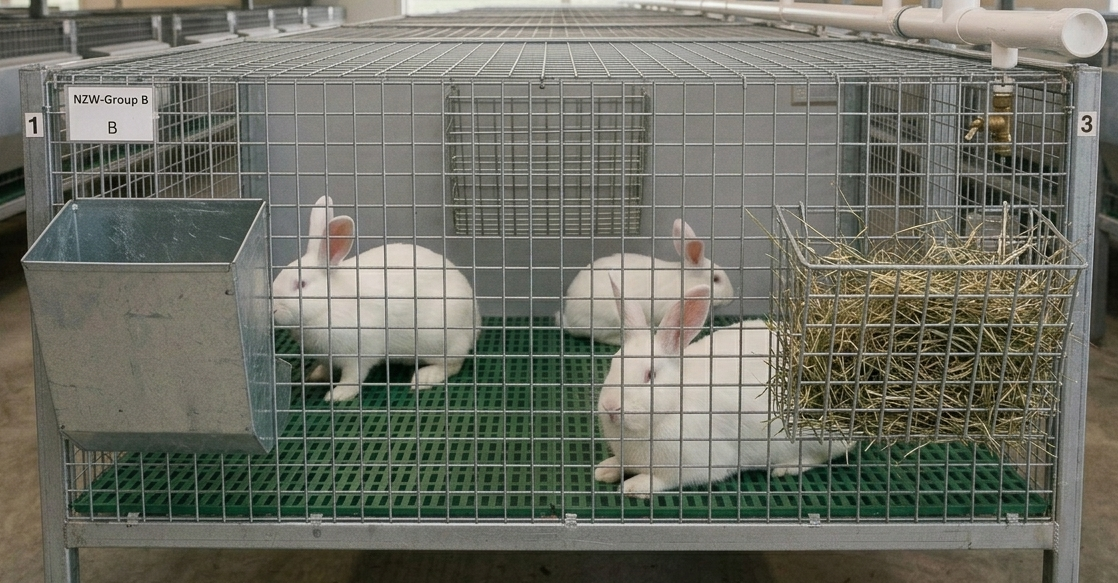
Predator Protection: Each cage features secure spring-loaded latches, 16 and 14-gauge wire mesh, providing a physical barrier against dogs, foxes, and birds of prey.
Scalable Design: Our "grow-with-you" philosophy means these kits are stackable and modular. Start with one and easily expand into a multi-cage bank operation as your herd grows.
Explore our Kit Options to find the perfect fit for your space and goals.
full Installation Cage Kits Requiring Onsite Set Up
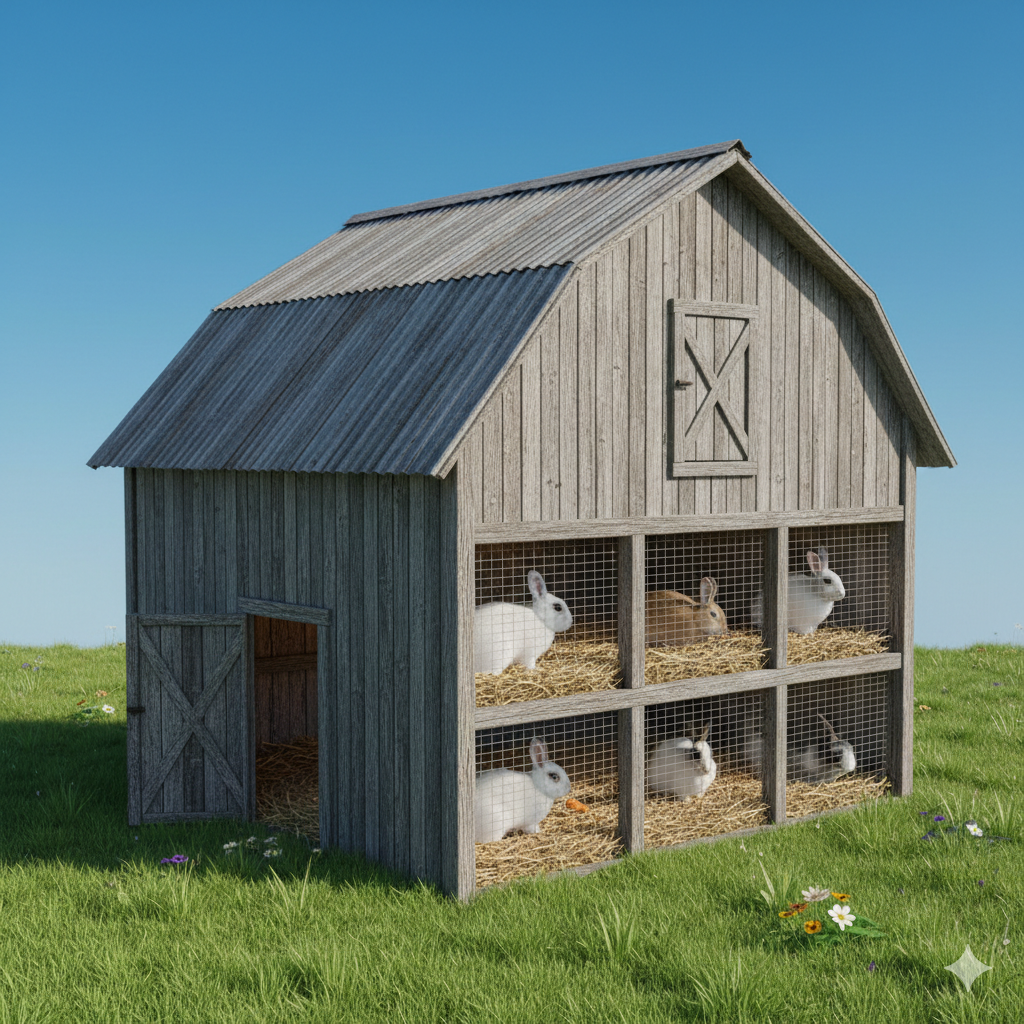
BASIC 15
Manual care that’s perfect for established barns. Focuses on fundamental equipment and individual water bottles. This kit is designed for agribusinesses that have enclosures or barns suitable for a rabbitry.
1 x Book (A Practical Guide to Rabbit Ranching, Deborah Mays)
15 x Cages 36” L x 24” W x 18” H (door on 36" side) with legs (32.5 sq. ft. when triple stacked) Each cage is USDA Animal Welfare regulation size of 6 sq. ft.
Feeding equipment water bottles and hardware
Installation and set up
PRO 15
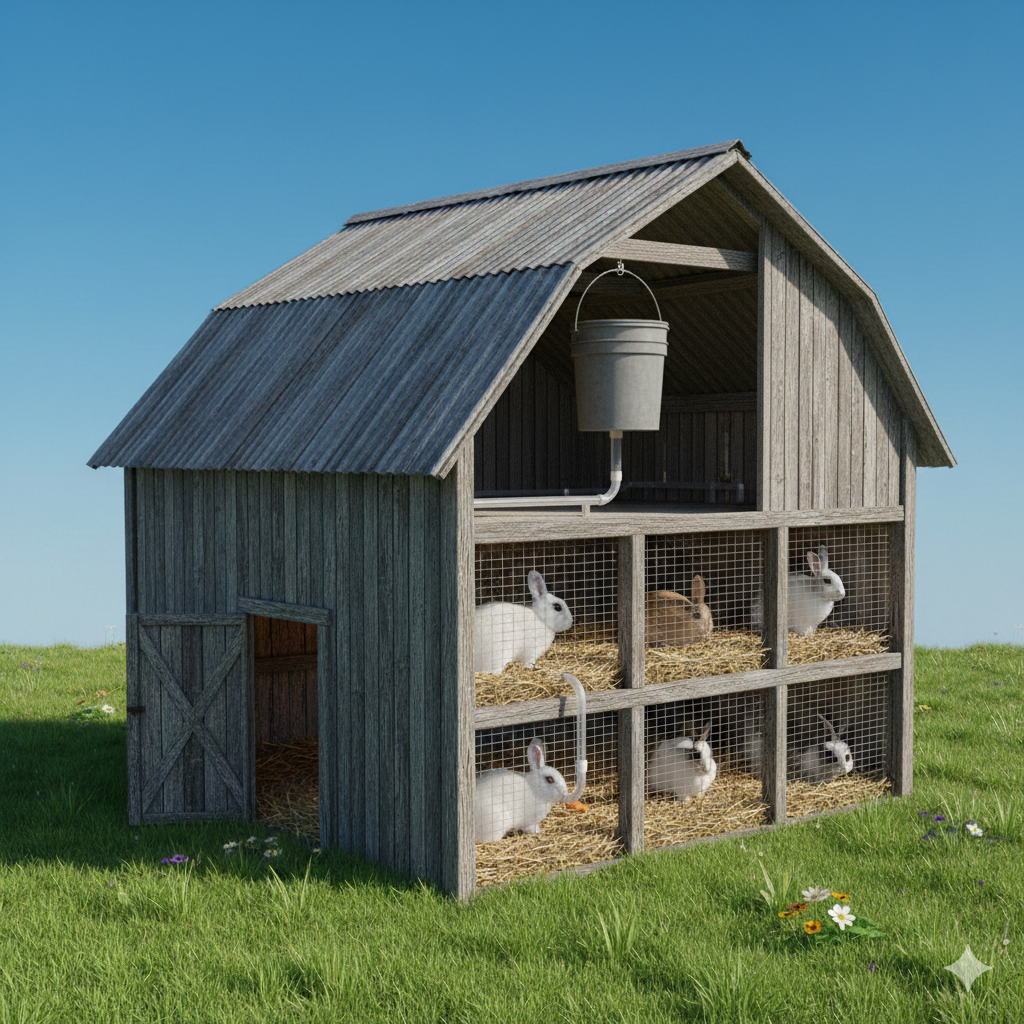
Automated growth designed for efficiency. Upgrades your workflow with automated watering to save time and labor. (Basic Kit + Water Automation) As with the Basic Kit, the Pro is designed for farms that have enclosures or barns suitable for a rabbitry.
1 x Book (A Practical Guide to Rabbit Ranching, Deborah Mays)
15 x Cages 36” L x 24” W x 18” H (door on 36" side) with legs (32.5 sq. ft. when triple stacked) Each cage is USDA Animal Welfare regulation size of 6 sq. ft.
Feeding equipment automated water system and hardware
Installation and set up
ULTIMATE 15
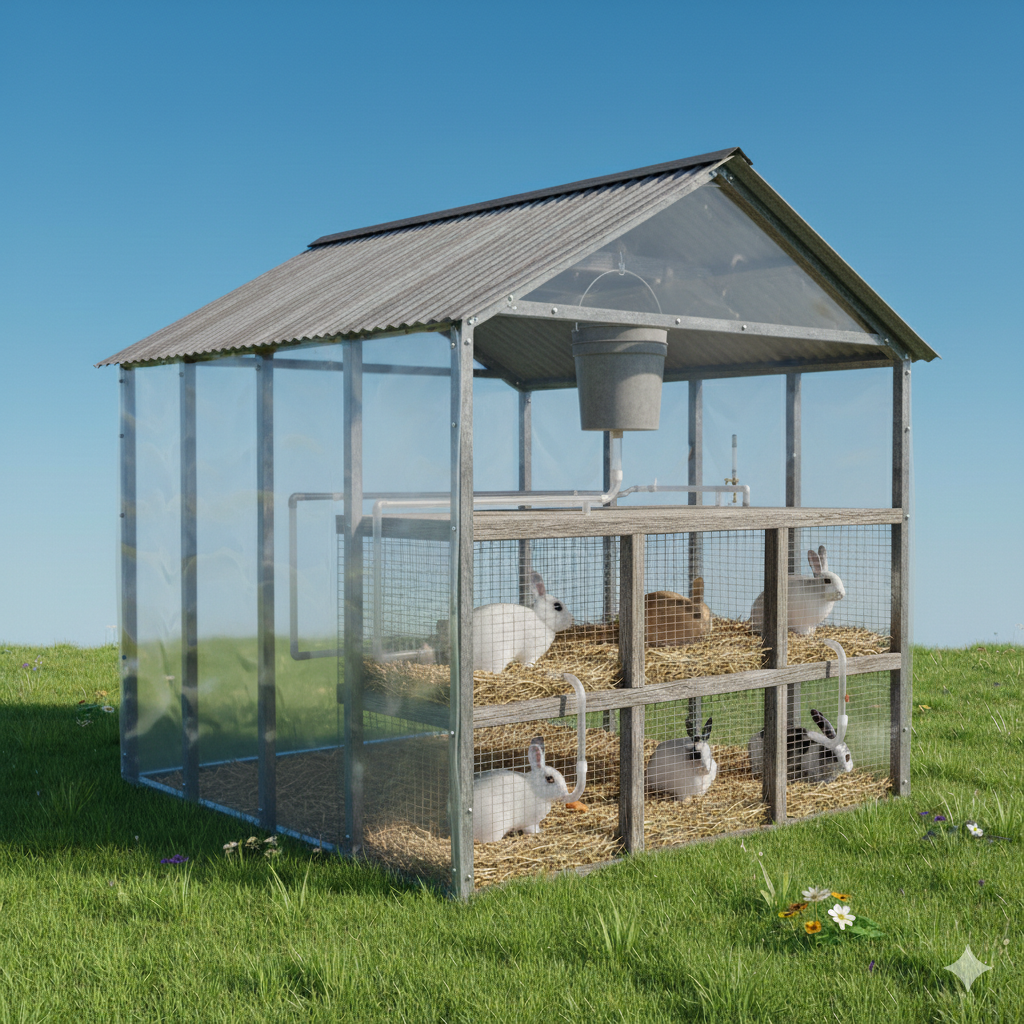
Full Infrastructure and everything you need from the ground up. Includes automated systems and a fully adaptable, climate-flexible metal barn. (Basic Kit + Pro Kit + Convertible Barn)
1 x Book (A Practical Guide to Rabbit Ranching, Deborah Mays)
15 x Cages 36” L x 24” W x 18” H (door on 36" side) with legs (32.5 sq. ft. when triple stacked) Each cage is USDA Animal Welfare regulation size of 6 sq. ft.
Feeding equipment automated water system and hardware
Convertible metal barn with removable wall panels.
Installation and set up
Please note that the above kits are for a minimal sustainable operation to provide rabbit protein for an average size family without buying replacement breeders constantly.
Pre Assembled Cage Kits Ready For Pick Up Or Delivery
VERTICAL 3 CAGE BASIC
3 X Cages 36” L x 24” W x 18” H (door on 36" side) with legs (6 sq. ft.) Each cage is USDA Animal Welfare regulation size of 6 sq. ft.
3 X Feeders
3 X Hay racks
6 X Feeder covers
12 X Plastic Urine Guards
3 X EZ Fill water bottles 44 oz.
3 X Door locks
3 X Manure trays
VERTICAL 3 CAGE PRO
3 X Cages 36” L x 24” W x 18” H (door on 36" side) with legs (6 sq. ft.) Each cage is USDA Animal Welfare regulation size of 6 sq. ft.
3 X Feeders
3 X Hay racks
6 X Feeder covers
12 X Plastic Urine Guards
1 X Automated water system and hardware
3 X Door locks
3 X Manure trays
VERTICAL 3 CAGE ULTIMATE
3 X Cages 36” L x 24” W x 18” H (door on 36" side) with legs (6 sq. ft.) Each cage is USDA Animal Welfare regulation size of 6 sq. ft.
3 X Feeders
3 X Hay racks
6 X Feeder covers
12 X Plastic Urine Guards
1 X Automated water system and hardware
3 X Door locks
3 X Manure trays
1 X Heat cable and insulation
1 X GFCI plug
4 X Caster wheels
Please fill in the contact form and specify what cage kit you would like to order and we will get back to you with a quote.

Agribusiness Services
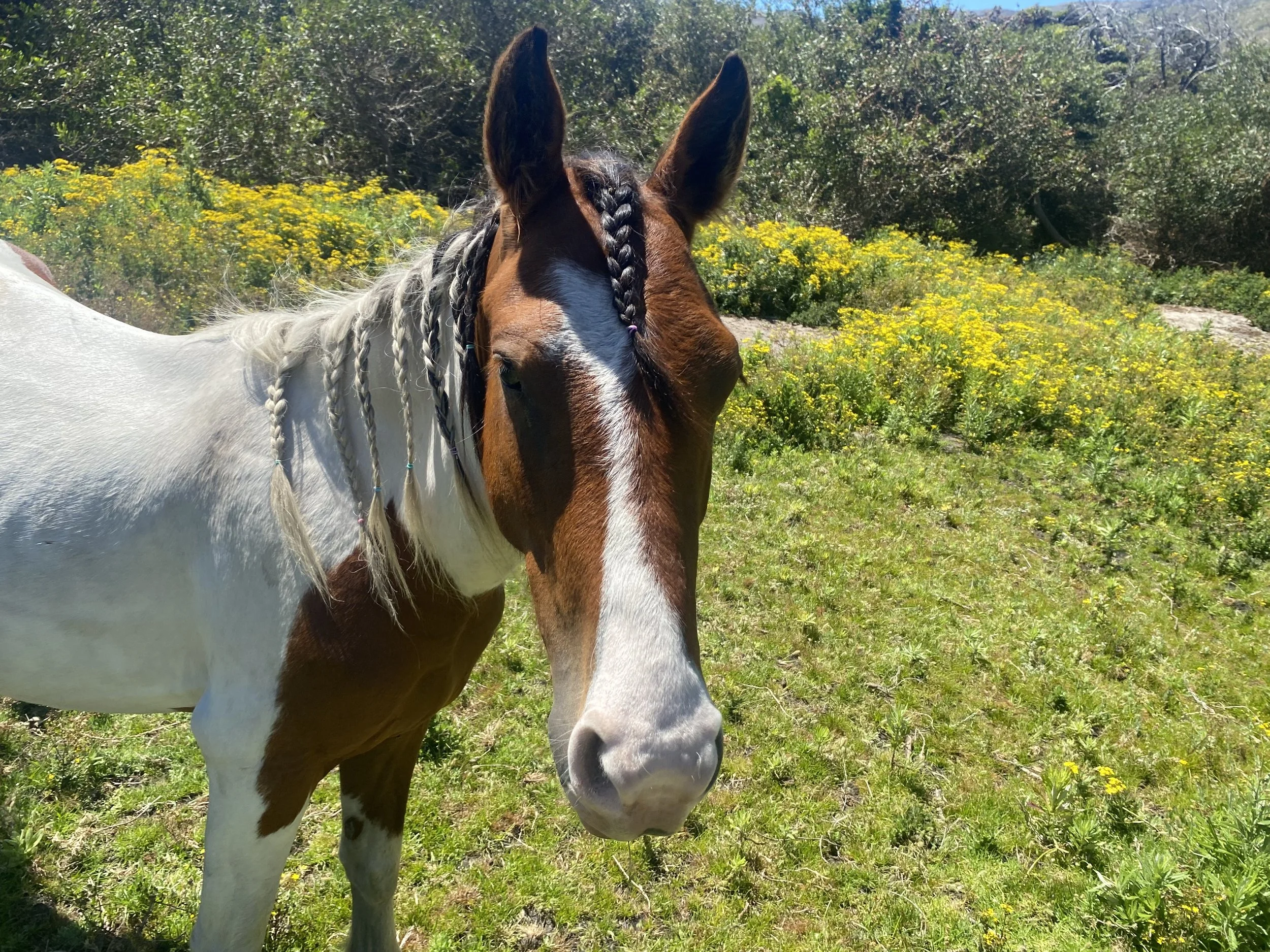
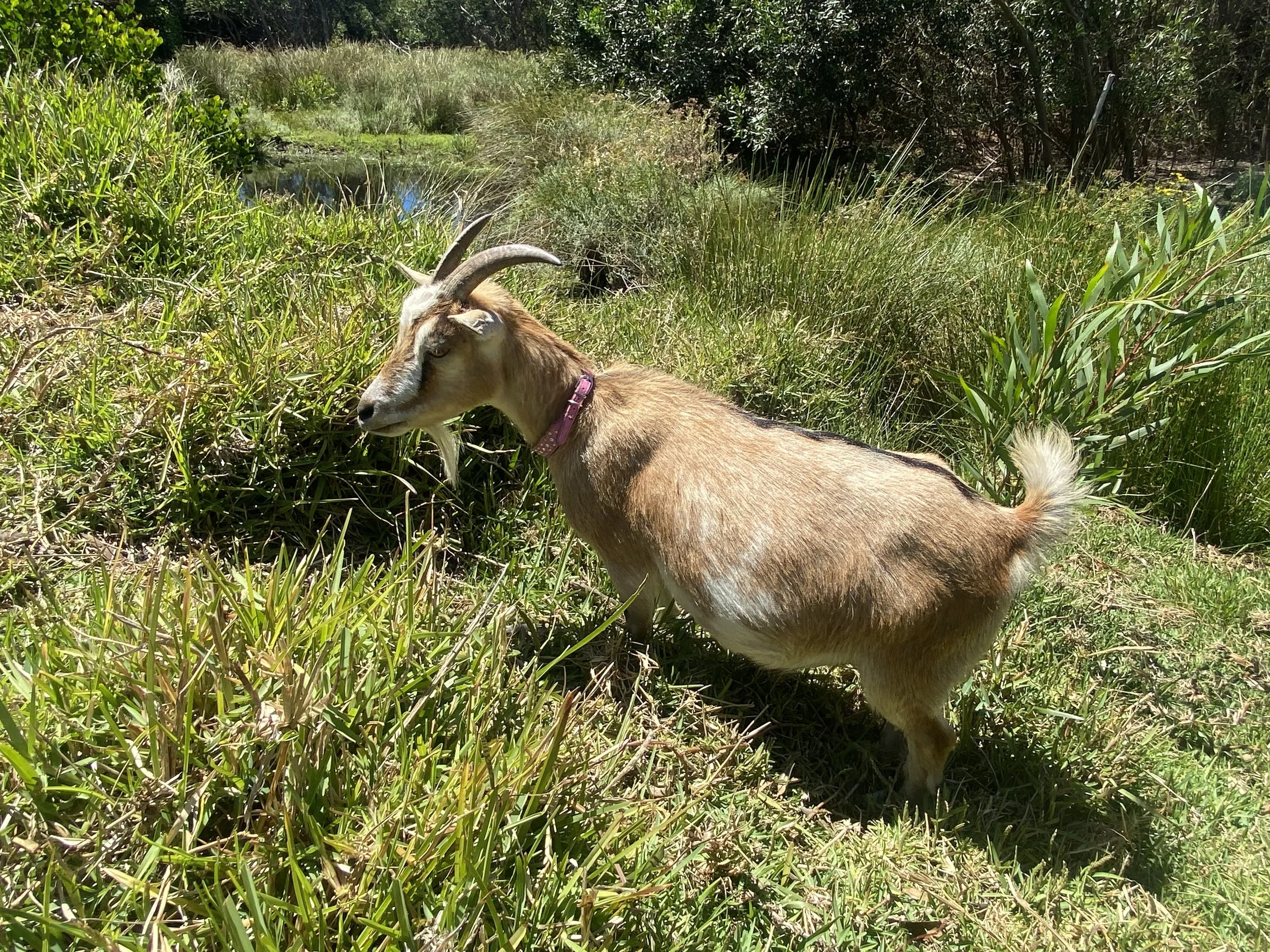
Rabbitry Services
Care tailored to the daily needs of your animals. We provide comprehensive farm husbandry, ensuring your stock remain healthy, productive, and well-maintained.
Property Maintenance
Reliable infrastructure support for your home or farm. Our services include basic carpentry, handyman repairs, and preventative facility maintenance to keep your buildings and structures in peak condition.
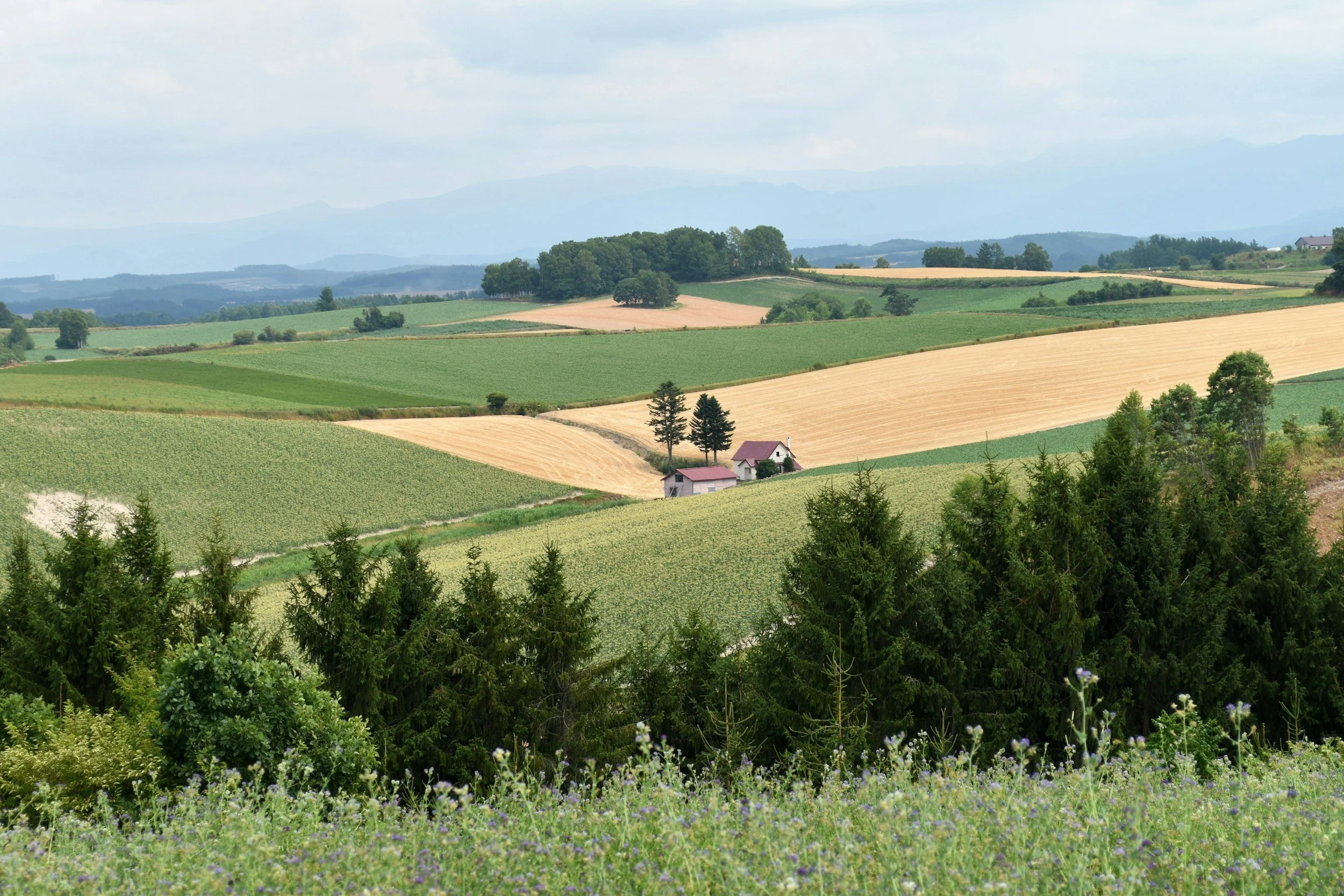
Hauling Services & Brush Clearing
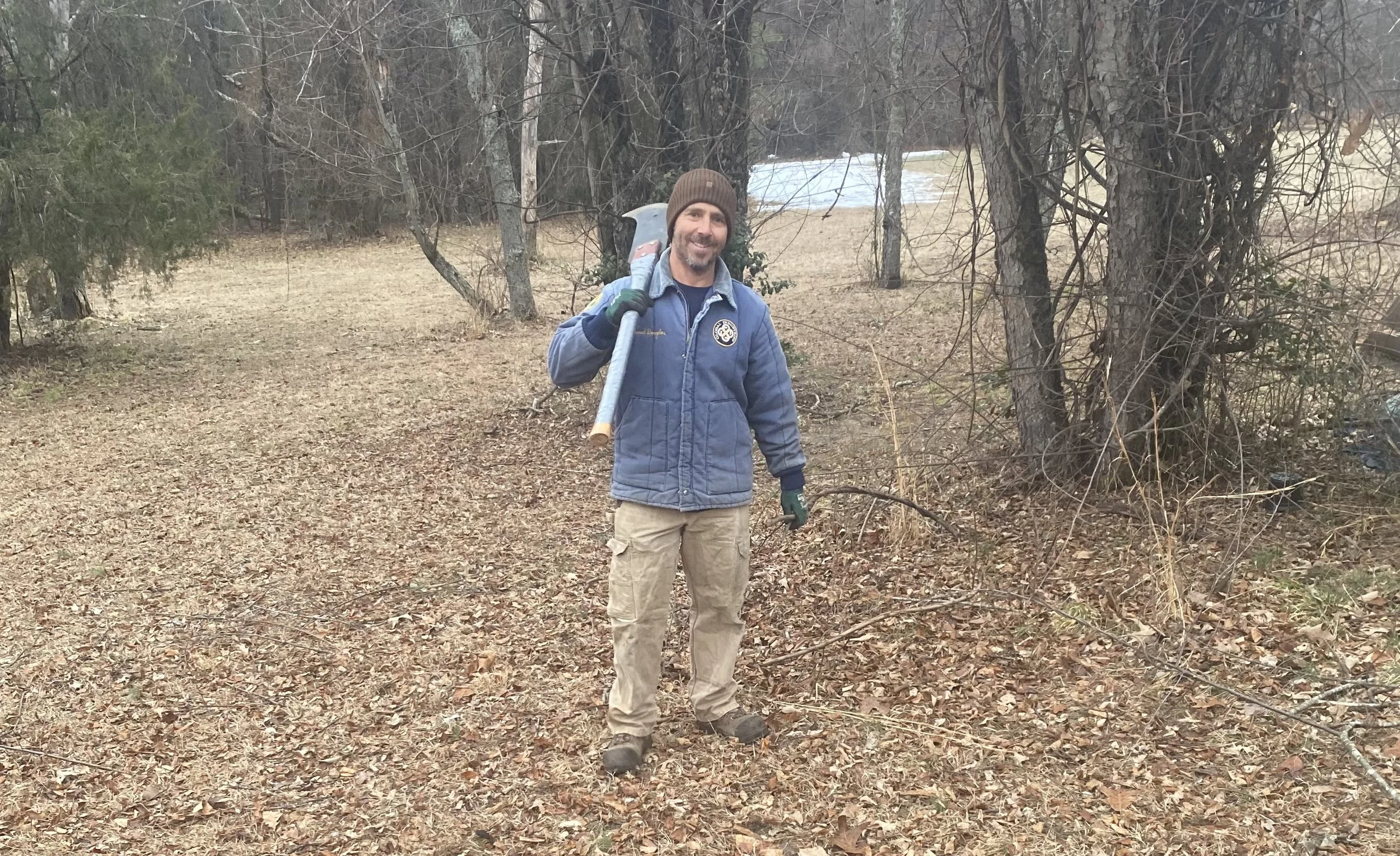
Solutions for moving and clearing. We offer light-to-medium duty hauling (up to 26,000 lbs. GCWR), expert forklift operation, and thorough land management, including, brush, deadwood removal and tree felling (under 20’) to improve safety and aesthetics.
Your Questions Answered
Why Rabbit ?
The movement in the United States and around the world is toward seeking lower fat, lower cholesterol, lower calorie foods which are still a good source of protein and yet actually taste good. Sounds impossible, right? Not if you consider one of the oldest sources of meat on the planet, the rabbit. Rabbit is a fine-grained, mild-flavored all white meat that is lower in fat, cholesterol, calories and is higher in protein than any other meat.
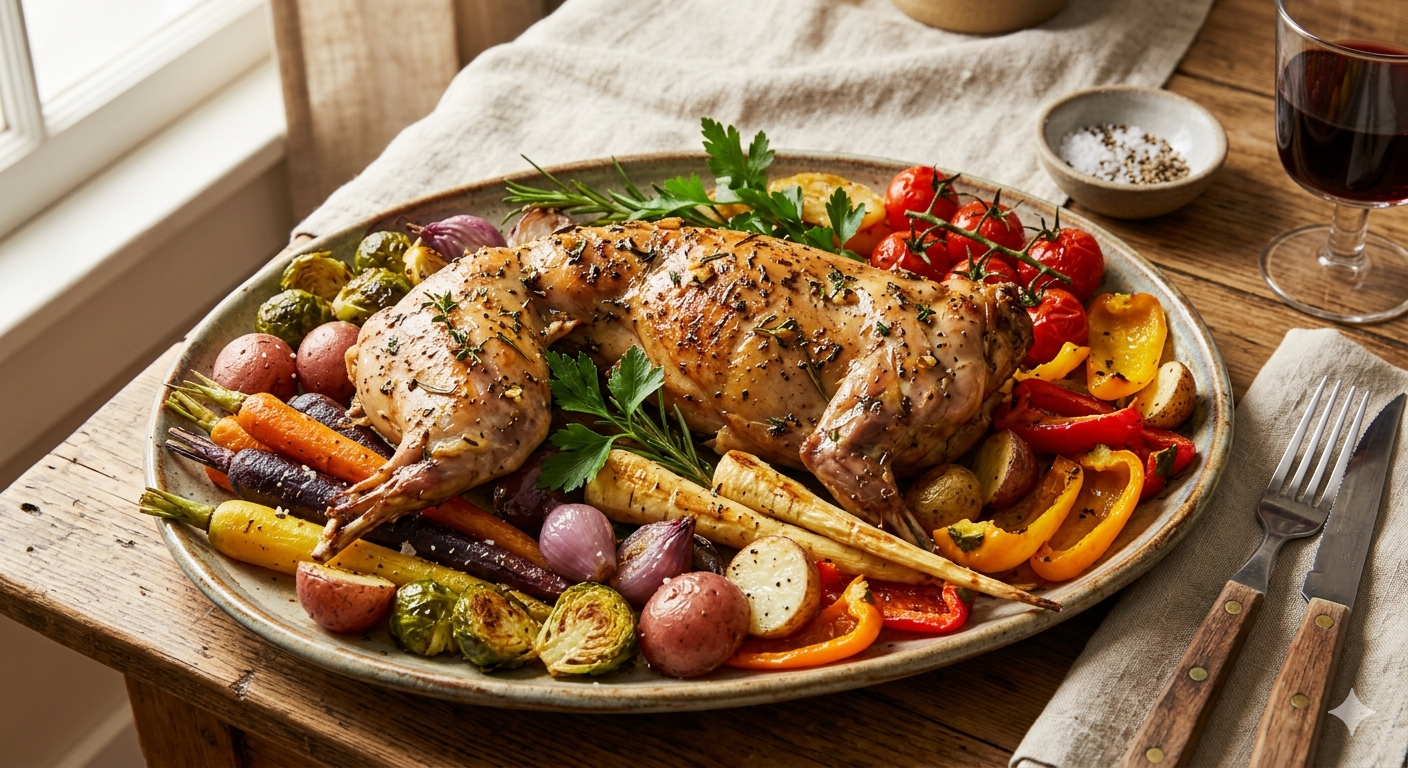
As world populations rise and there is less land to raise quality food, the rabbit may play an increasingly important role in our national and international food supplies. One rabbit doe can produce 250+ pounds of meat in a year and is many times more efficient than a cow in turning feed into meat.
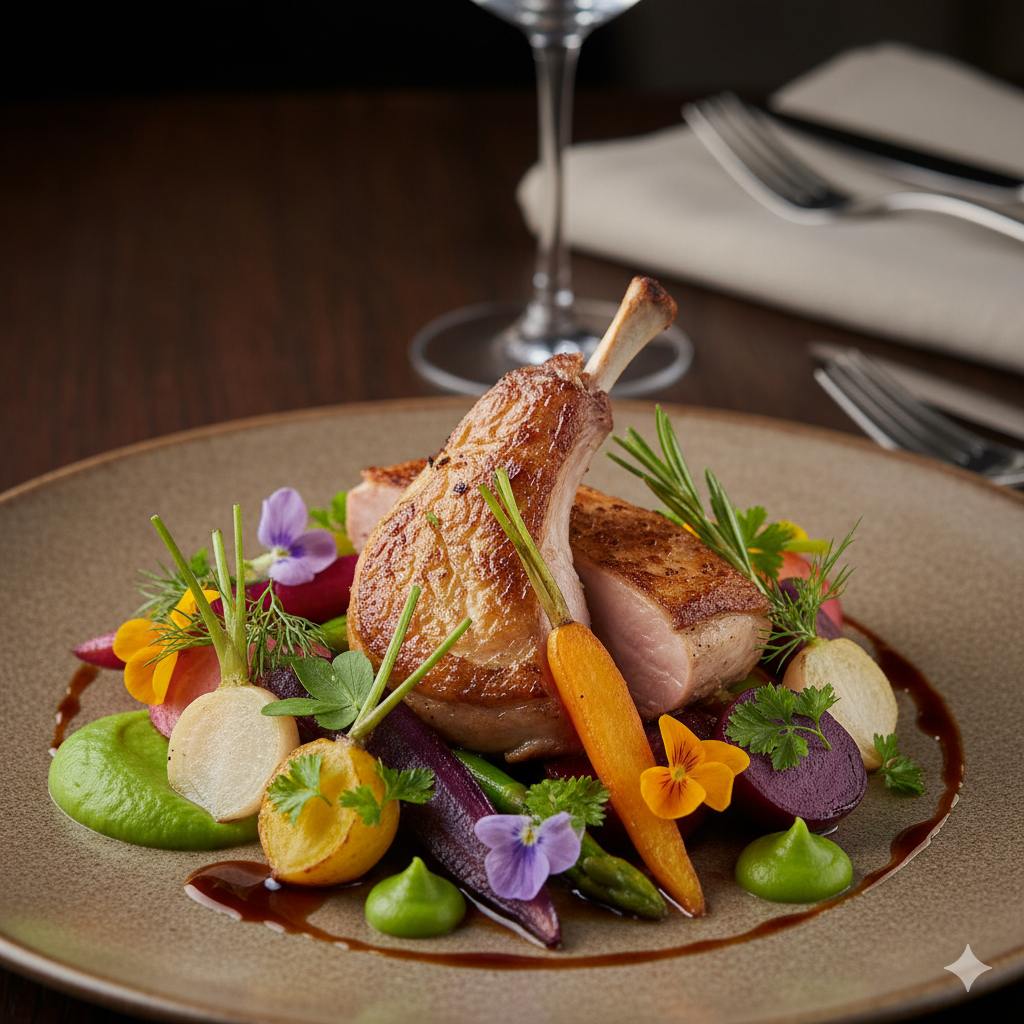
Rabbit agriculture is a highly efficient and sustainable livestock option, ideal for both small-scale and commercial farming due to its low barrier to entry and minimal space requirements. Rabbits have a rapid turnover rate, reaching market weight in just 8-14 weeks while requiring significantly less land, water, and feed than traditional livestock, making a good addition to urban farming.

Why Else Would Rabbit Farming Be Useful?
Meat Production & Processing
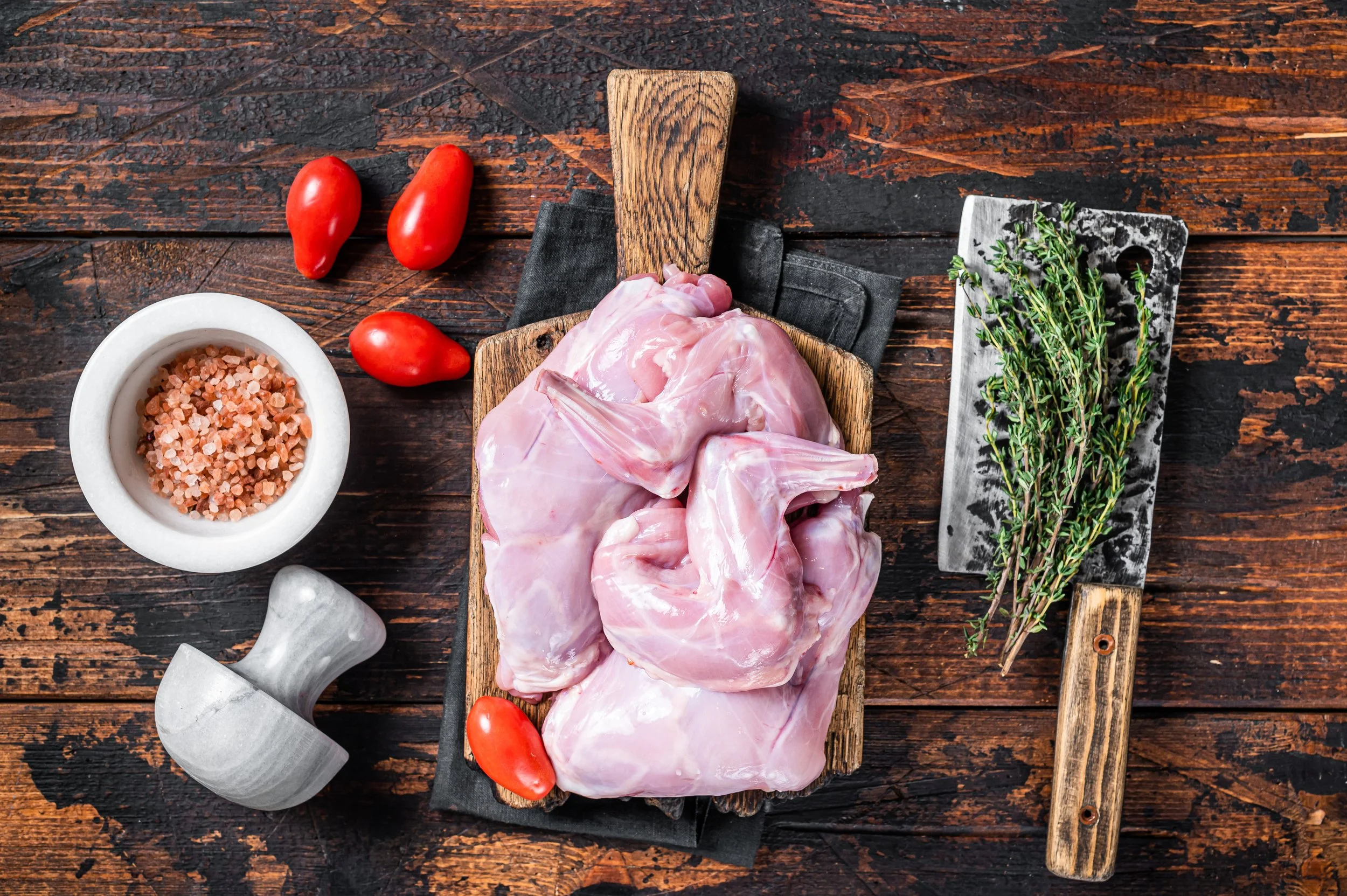
One of the primary markets for live commercial rabbits is the meat industry. Processing plants typically establish consistent partnerships with breeders to maintain a steady supply. These facilities often operate on a contract basis, agreeing to purchase a specific volume of stock each month at a fixed live-weight price. To meet premium culinary standards, these rabbits are generally "fryer" age—under 16 weeks old—with an ideal weight range between 4.75 and 6.25 lbs.
High-Quality Rabbit Brood Stock
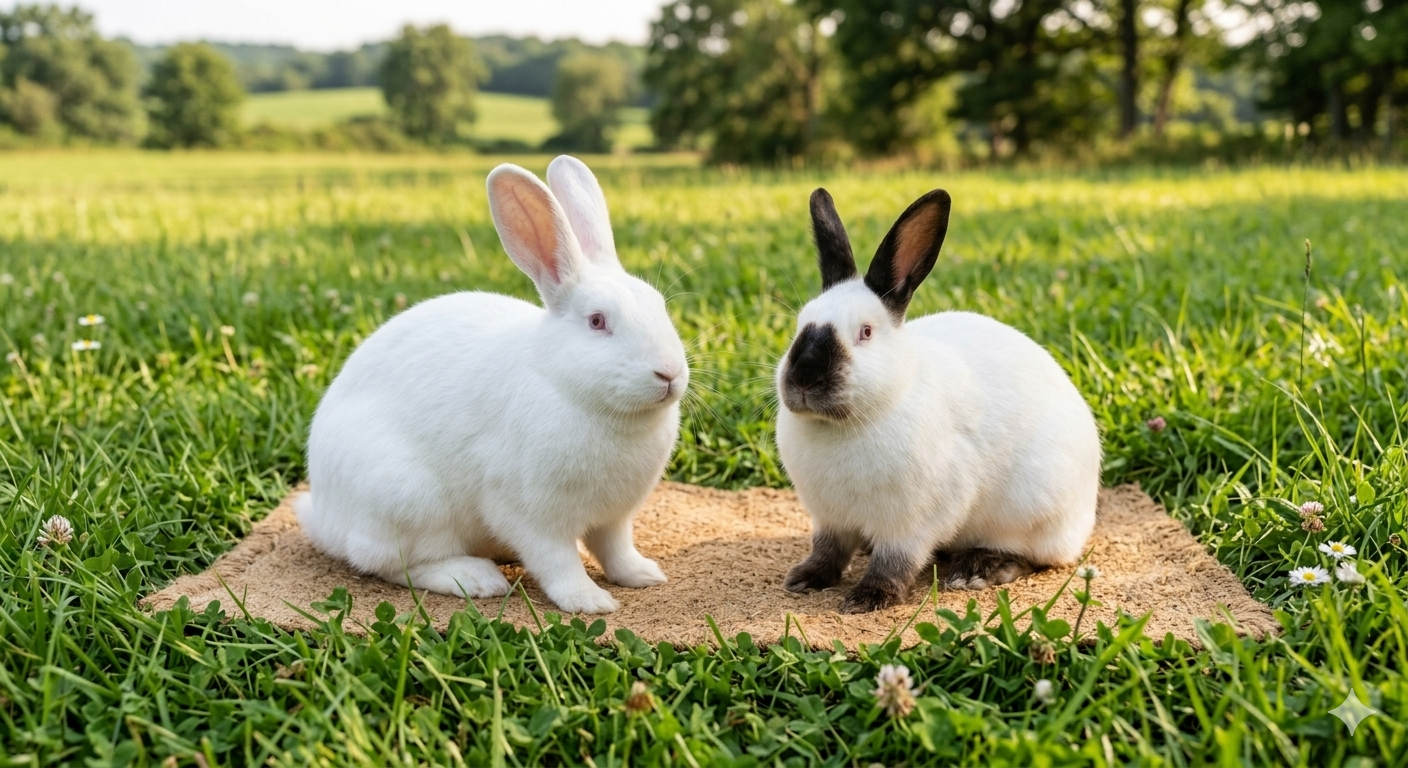
Investing in elite genetics is one of the most effective ways to boost your rabbitry's bottom line. New Zealand White and Californian rabbits are two of the more primary breeds for consistent production. By selling even a small number of exceptional breeders each month, you can significantly increase your profitability compared to meat sales alone.
Key Features & Performance Benefits:
Resilient Health: A robust immune system, ensuring a hardier, low-maintenance herd.
Superior Maternal Instincts: They exhibit strong nesting behaviors and exceptional milking ability, resulting in heavier, healthier kits at weaning.
Rapid Growth Rates: Engineered for efficiency they reach fryer weight faster, maximizing your turnover and reducing time to market.
Optimized Feed Conversion: Tracking and retaining bloodlines with the best feed efficiency, meaning you spend less on feed for every pound of weight gained.
Premium Carcass Quality: They possess the ideal physical characteristics required to produce high-yield, top-tier meat products.
Premium Soil Enhancer
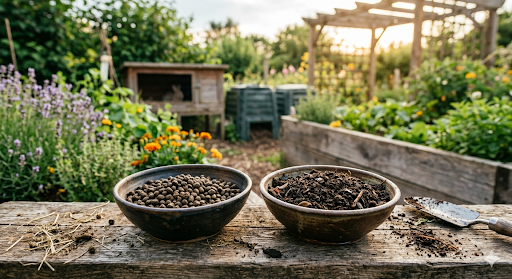
Rabbit manure is a "gold mine" for sustainable and organic farmers. Often referred to as "cold manure,"it is one of the few fertilizers that can be applied directly to plants without the need for composting first. It is highly efficient, easy to collect, and serves as a powerful soil amendment for any agriculture operation.
Why Choose Rabbit Manure?
Nutrient-Rich Profile: It is packed with higher concentrations of nitrogen, phosphorus, and potassium than cow or horse manure, along with essential micronutrients.
Why Is Rabbit Not A Common Livestock Like In Europe And Other Parts of The World ?
A Heritage Of Rabbit Farming
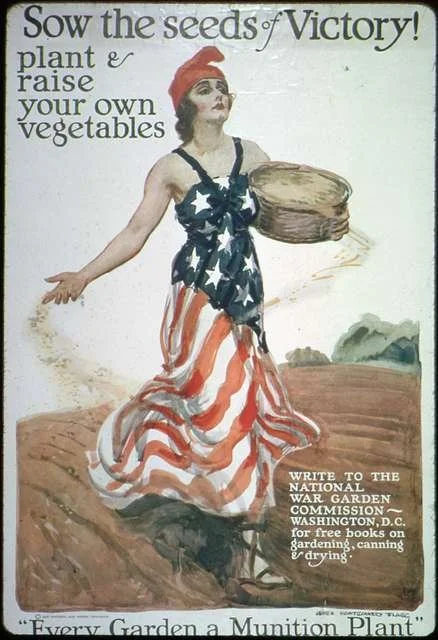
Rabbit agriculture is an ancient practice dating back to 1000 B.C. with a documented history in America since 1840. During the Great Depression, rabbits were a lifeline for struggling families, providing a sustainable food source when income was scarce. This role expanded during WWII, as governments in both Europe and the U.S. encouraged rabbit farming along with other agricultural programs to combat meat shortages. Those hardships led to the "poor man's meat" stereotype—later reinforced by popular cartoons with cute rabbits.
Market Realities of Rabbit Farming
Unlike traditional livestock, rabbit processing and distribution networks in the U.S. are less established. To succeed commercially, farmers must often take a proactive approach—researching local niche markets, developing their own sales channels, and educating consumers on the exceptional health benefits and the excellent flavor of rabbit meat.
Let’s Bring Your Vision To Life
Let’s grow together! Get in touch for a no-pressure consultation to help you find the right tools for your next project.